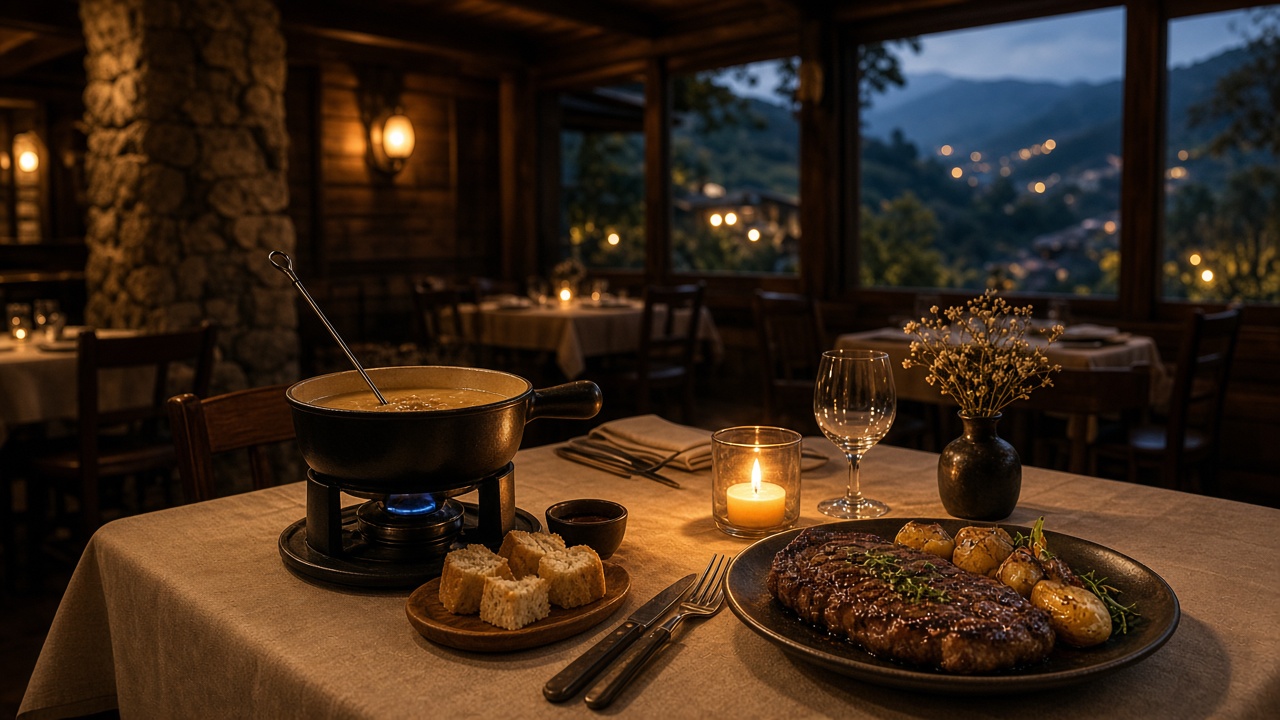
This chapter sits beside the professional cases. The screens work so you can see how I think about operations: the waiter sends the order, the kitchen receives the same ticket, delivery splits drop-off and pickup, and the storefront follows stock.
Why this scenario
The starting point is a kind of town where restaurants and shops share the same street. Canela and Gramado, in Serra Gaúcha, have that density all year. The system logic fits any city, and the work stays remote, across Brazil.
Three studies to open
Study · restaurant
Waiter order and kitchen board
The waiter builds the order at the table. The kitchen sees the same ticket, with the note, and releases the plate when it is marked ready.
A floor map with free, occupied, in the kitchen and ready
The storefront shows what can leave today. Stock, beside it, is the same rule: taking one unit in the shop or in the panel changes what the customer sees.
They do not represent a client. They are product demonstrations. Professional cases stay in the projects section. Canela and Gramado are the restaurant-and-shop scenario, and the same kind of system is available for any city in Brazil.
Do you build restaurant systems and waiter apps?
Yes, as a custom project. The first version can be the waiter order with the kitchen board, the delivery app or the shop website. Scope, timeline and integrations are part of the quote conversation. The work is remote.
What do these screens not do yet?
They run in the browser so a visitor can test the flow. A real project still needs accounts, kitchen printing or a KDS, payment, receipts and whatever the operation already uses. That is scope, and I assess it in conversation.
Professional cases stay in another section.
If the operation is yours, the next step is a conversation about scope and timeline. The work is remote, for a company in any city in Brazil.